
What Are The Primary Benefits Of Invisalign®?


Orthodontic treatment has traditionally been associated with metal braces, often perceived as bulky and unappealing. However, Invisalign®, a revolutionary clear aligner system, has transformed the orthodontic landscape, offering a virtually invisible and comfortable alternative to traditional braces. With its numerous advantages, Invisalign® has become a popular choice among individuals seeking to achieve a straighter, healthier smile without compromising their appearance or lifestyle.
1. Aesthetics and Invisibility
One of the most compelling benefits of Invisalign® is its discreet nature. Unlike metal braces, which are noticeable and may cause self-consciousness, Invisalign® aligners are virtually invisible, allowing individuals to undergo orthodontic treatment without drawing unwanted attention to their teeth. This discreetness is particularly appealing to adults and teenagers who want to improve their smiles without disrupting their professional or social lives.
2. Comfort and Convenience
Invisalign® aligners are custom-made to fit snugly over the teeth, providing a comfortable and smooth treatment experience. Unlike metal braces, which can irritate the lips, cheeks, and gums, Invisalign® aligners are designed to minimize discomfort and allow for unrestricted eating, drinking, and oral hygiene practices. Additionally, the removable nature of the aligners provides flexibility and convenience, allowing individuals to remove them for special occasions or during meals.
3. Enhanced Oral Hygiene
Invisalign® promotes better oral hygiene during orthodontic treatment. Unlike metal braces, which can trap food debris and make brushing and flossing more challenging, Invisalign® aligners are easily removable for thorough oral care. This ability to maintain proper hygiene during treatment helps prevent plaque buildup, gum disease, and tooth decay, contributing to overall oral health.
4. Reduced Risk of Enamel Damage
Traditional metal braces can sometimes cause enamel damage due to the constant pressure applied to the teeth. Invisalign®, on the other hand, uses gentle, controlled forces to move the teeth, significantly reducing the risk of enamel damage. This is particularly beneficial for individuals with sensitive teeth or those who have previously undergone dental work.
5. Shorter Treatment Time
Invisalign® treatment typically takes less time than traditional braces, with an average treatment duration of six to eighteen months. This shorter treatment time is attributed to the precise and controlled movements achieved by the clear aligners, allowing for faster tooth alignment and overall smile correction.
6. Predictable Results
Invisalign® treatment utilizes advanced 3D technology to create a personalized treatment plan for each patient. This technology allows orthodontists to accurately predict the movement of the teeth and the final outcome of the treatment, providing patients with a clear understanding of what to expect.
Conclusion
Invisalign® has revolutionized orthodontic treatment, offering a virtually invisible, comfortable, and effective solution for achieving a straighter, healthier smile. With its numerous benefits, including enhanced aesthetics, improved oral hygiene, reduced risk of enamel damage, shorter treatment time, and predictable results, Invisalign® has become a preferred choice for individuals seeking a discreet and convenient path to a confident smile. Please find the dental office near you in these locations: Attleboro, Chelmsford, Hyde Park, Jamaica Plain, Lynn, Manchester, Methuen, Roslindale, Taunton.
Related Posts

Coffee Before Dental Cleaning
Coffee is a staple in most people’s morning routines. However you may be wondering if you can indulge in your favorite caffeine boost before having a dental cleaning performed. The specific answer isn’t too clear, but what is known is that coffee is generally an acidic beverage, meaning it can tear away enamel and stain teeth if consumed excessively, and can definitely reverse the benefits of a thorough dental cleaning,

What can I eat after teeth whitening?
After a teeth whitening procedure, your teeth can be sensitive during the first few hours to couple of days, so many dentists recommend avoiding certain foods for 2 to 3 days. After a professional teeth whitening, your teeth can become slightly porous, and the dentin layer can become temporarily exposed. Acidic and dark-colored foods are more easily absorbed into your teeth after whitening, which can cause discoloration. Avoid foods that are too hot or too cold and make sure the food items are at room temperature.
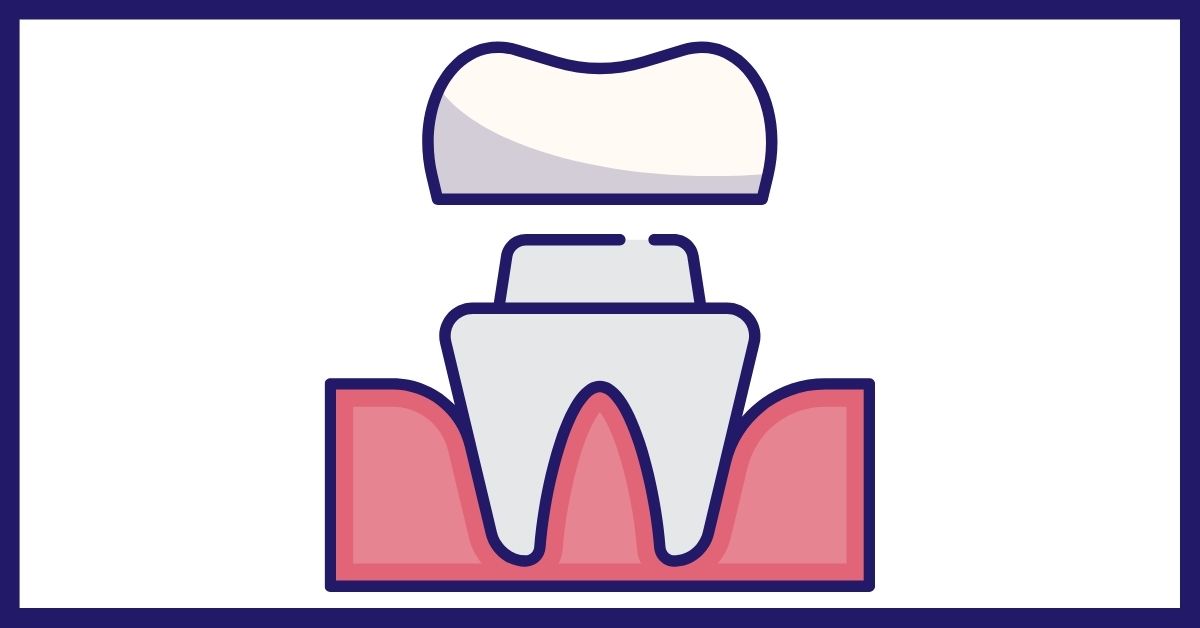
When would you need a dental crown?
Dental crowns are essentially caps of different materials that are placed over a tooth to help restore its shape and size, and to improve overall function, strength, and appearance of a tooth. It is often used on severely damaged teeth with the hopes of saving it from further damage or even falling out. Dentists will typically recommend crowns if your teeth have extensive damage or decay, but can also be utilized in other situations.

What Happens If Tartar Is Not Removed?
Tartar, which is hardened and difficult to remove plaque, can cause damage to your teeth and gums if not removed promptly. The accumulation of bacteria in tartar can slowly erode teeth, destroy healthy gum tissue, and can cause unpleasant odors and bad breath. When tartar damages the gum line, patients may experience bleeding, swelling, and irritation from even gentle brushing. And more severe cases of tartar build up can even lead to dental erosion and unstable teeth, increasing the risk of underlying bone damage and teeth falling out.