
Is Heat or Cold Better For Tooth Extraction Pain?


Most dental professionals will recommend cold compresses and cold foods/beverages for tooth extraction pain and swelling. This is because cold can actually help constrict blood vessels supplying the gums, decreasing the amount of blood that flows to the site of a tooth extraction and help limit the amount of bleeding and irritation of the gums. So food items like ice cream, flan, pudding, and cold soup/broth are perfect for the first few days after a tooth extraction.
Heat, on the other hand, shouldn’t be applied to the face or mouth as it can actually make blood vessels dilate or open up, promoting further swelling and irritation of the gums. The only time minor heat is allowed is if you’re using warm salt water gargles which can actually be beneficial in killing bacteria and decreasing the chances of a post tooth extraction infection. But otherwise, it’s best to stick to anything cold to help alleviate tooth extraction pain and to help speed up the healing process.

How Else Can I Ease the Pain of Tooth Extraction?
Most patients who receive a tooth extraction will experience minor discomfort and difficulty chewing certain foods for at least a week. Other than using cold to help ease tooth extraction pain, there are some other things you can also try to make the next few days feel more comfortable and speed up recovery.
The first is using pain medications. Depending on your level of pain, you may either be prescribed a pain medication or have to get an over the counter pain medication from a local pharmacy. Either way, pain medications can drastically decrease pain for a few hours. They are also great when taken before bed as they can help make going to sleep much easier.
The second thing you can do to ease tooth extraction pain is to avoid irritants and pro-inflammatory substances. This means avoiding things like cigarette smoke, vapes, and alcohol as all these things can hinder gum healing and increase pain. Hot beverages like coffee and hot soups also should be avoided as heat can increase swelling and discomfort. And of course, avoiding difficult to chew, hard foods like candies, certain fruits, and certain types of meat can decrease any unnecessary stress on the teeth and gums. In the end, stick to soft foods for at least a week after a tooth extraction to give your gums sufficient time to heal.
The third thing you should do is avoid using a straw when drinking anything. Using a straw can cause suction on the teeth and exposed gums, leading to further irritation and swelling.
Of course, if you notice that your pain isn’t getting any better after a few days, or notice signs of infection, it is important to speak with your dentist as soon as possible. If you have more questions please contact our dentists in Mansfield MA.
Related Posts

Coffee Before Dental Cleaning
Coffee is a staple in most people’s morning routines. However you may be wondering if you can indulge in your favorite caffeine boost before having a dental cleaning performed. The specific answer isn’t too clear, but what is known is that coffee is generally an acidic beverage, meaning it can tear away enamel and stain teeth if consumed excessively, and can definitely reverse the benefits of a thorough dental cleaning,

What can I eat after teeth whitening?
After a teeth whitening procedure, your teeth can be sensitive during the first few hours to couple of days, so many dentists recommend avoiding certain foods for 2 to 3 days. After a professional teeth whitening, your teeth can become slightly porous, and the dentin layer can become temporarily exposed. Acidic and dark-colored foods are more easily absorbed into your teeth after whitening, which can cause discoloration. Avoid foods that are too hot or too cold and make sure the food items are at room temperature.
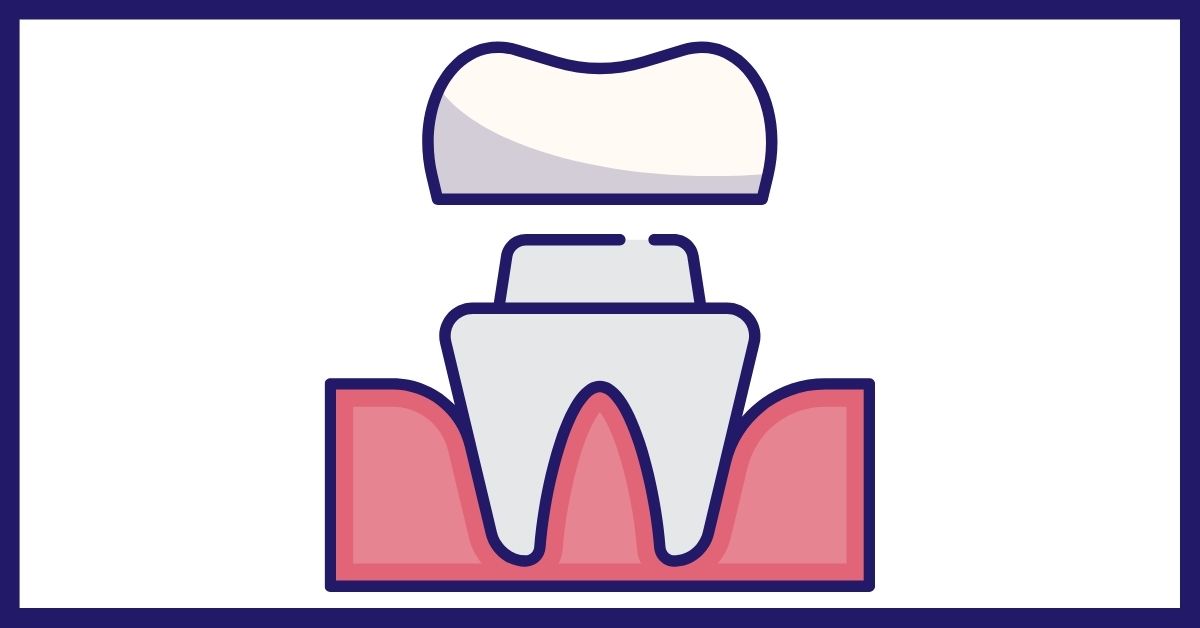
When would you need a dental crown?
Dental crowns are essentially caps of different materials that are placed over a tooth to help restore its shape and size, and to improve overall function, strength, and appearance of a tooth. It is often used on severely damaged teeth with the hopes of saving it from further damage or even falling out. Dentists will typically recommend crowns if your teeth have extensive damage or decay, but can also be utilized in other situations.

What Happens If Tartar Is Not Removed?
Tartar, which is hardened and difficult to remove plaque, can cause damage to your teeth and gums if not removed promptly. The accumulation of bacteria in tartar can slowly erode teeth, destroy healthy gum tissue, and can cause unpleasant odors and bad breath. When tartar damages the gum line, patients may experience bleeding, swelling, and irritation from even gentle brushing. And more severe cases of tartar build up can even lead to dental erosion and unstable teeth, increasing the risk of underlying bone damage and teeth falling out.