
How many people are in treatment with the Invisalign® system?


Invisalign®, the clear aligner system, has revolutionized orthodontic treatment, offering a comfortable and aesthetically pleasing alternative to traditional braces. Since its introduction in 1999, Invisalign® has gained immense popularity, becoming the world’s most advanced clear aligner system and transforming smiles worldwide.
Growing Popularity and Global Impact
Invisalign® has experienced remarkable growth, gaining popularity among both adults and teenagers seeking orthodontic treatment. As of 2023, over 15.7 million patients have begun treatment with Invisalign®, including over 4.3 million teens. This widespread adoption is a testament to Invisalign®’s effectiveness and appeal.
Benefits Driving Invisalign®’s Success
Several factors contribute to Invisalign®’s success and widespread adoption:
- Discreet Treatment: Invisalign® aligners are virtually invisible, allowing patients to undergo orthodontic treatment without compromising their appearance.
- Comfortable Wear: The smooth, custom-made aligners are comfortable to wear, eliminating the discomfort associated with traditional braces.
- Effective Treatment: Invisalign® effectively aligns teeth, addressing a wide range of orthodontic issues, from minor malocclusion to complex cases.
- Removable Aligners: Invisalign® aligners are removable, allowing for easy maintenance and oral hygiene practices.
Global Presence and Accessibility
Invisalign® is available in over 100 countries worldwide, making it an accessible option for patients seeking orthodontic treatment. This global presence ensures that patients can receive Invisalign® treatment from qualified orthodontists regardless of their location.
Technological Advancements and Future Outlook
Align Technology, the company behind Invisalign®, continues to innovate and enhance the Invisalign® system. Advanced technologies, such as SmartForce™ technology and Vivera™ retainers, have further improved treatment outcomes and patient satisfaction.
Conclusion
Invisalign® has transformed the orthodontic landscape, offering a discreet, comfortable, and effective treatment option for millions of patients worldwide. Its growing popularity and global presence are a testament to its success, and continued advancements promise an even brighter future for Invisalign® in transforming smiles and improving oral health. Please find the dental office near you in these locations: Attleboro, Chelmsford, Hyde Park, Jamaica Plain, Lynn, Manchester, Methuen, Roslindale, Taunton.
Related Posts

Coffee Before Dental Cleaning
Coffee is a staple in most people’s morning routines. However you may be wondering if you can indulge in your favorite caffeine boost before having a dental cleaning performed. The specific answer isn’t too clear, but what is known is that coffee is generally an acidic beverage, meaning it can tear away enamel and stain teeth if consumed excessively, and can definitely reverse the benefits of a thorough dental cleaning,

What can I eat after teeth whitening?
After a teeth whitening procedure, your teeth can be sensitive during the first few hours to couple of days, so many dentists recommend avoiding certain foods for 2 to 3 days. After a professional teeth whitening, your teeth can become slightly porous, and the dentin layer can become temporarily exposed. Acidic and dark-colored foods are more easily absorbed into your teeth after whitening, which can cause discoloration. Avoid foods that are too hot or too cold and make sure the food items are at room temperature.
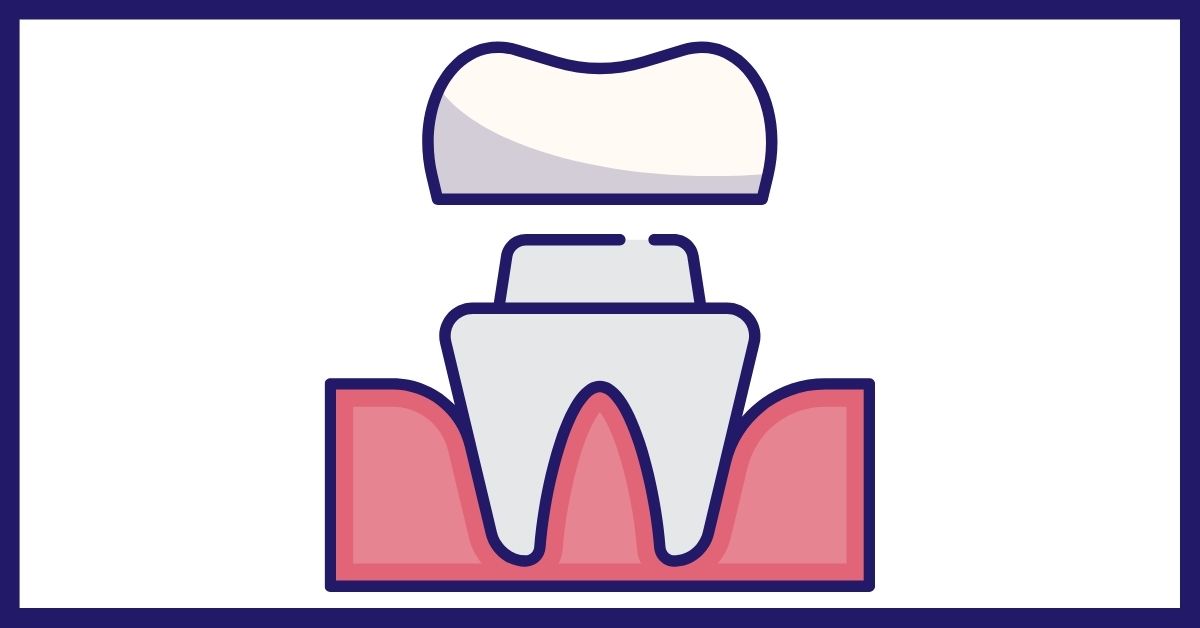
When would you need a dental crown?
Dental crowns are essentially caps of different materials that are placed over a tooth to help restore its shape and size, and to improve overall function, strength, and appearance of a tooth. It is often used on severely damaged teeth with the hopes of saving it from further damage or even falling out. Dentists will typically recommend crowns if your teeth have extensive damage or decay, but can also be utilized in other situations.

What Happens If Tartar Is Not Removed?
Tartar, which is hardened and difficult to remove plaque, can cause damage to your teeth and gums if not removed promptly. The accumulation of bacteria in tartar can slowly erode teeth, destroy healthy gum tissue, and can cause unpleasant odors and bad breath. When tartar damages the gum line, patients may experience bleeding, swelling, and irritation from even gentle brushing. And more severe cases of tartar build up can even lead to dental erosion and unstable teeth, increasing the risk of underlying bone damage and teeth falling out.