
Does insurance cover Invisalign®?

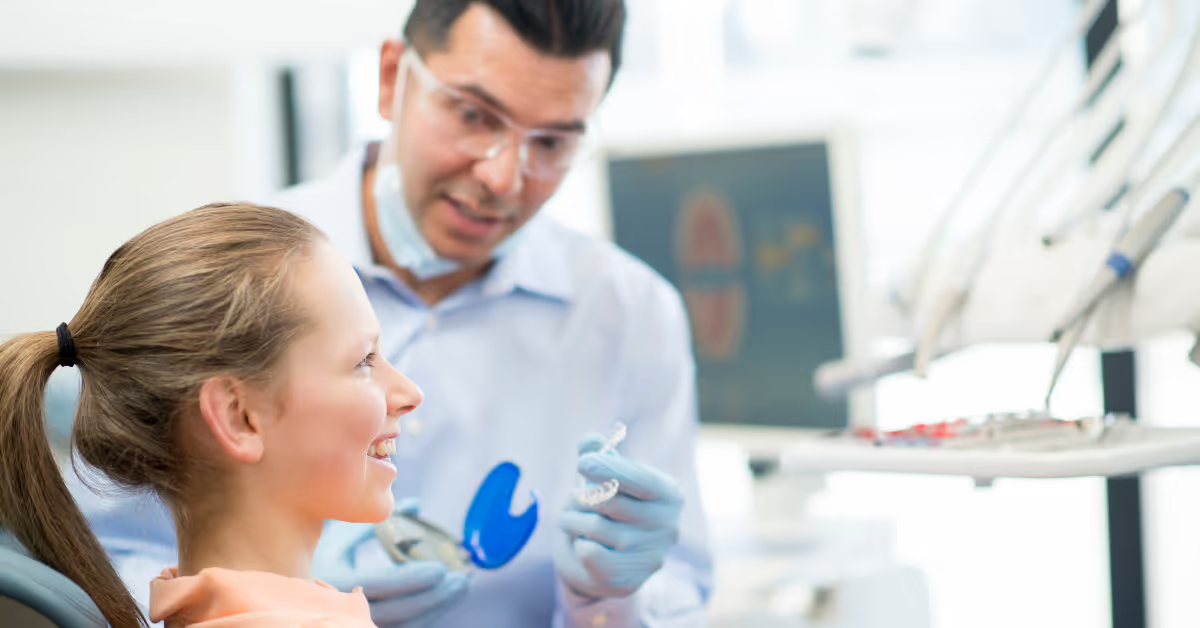
Invisalign®, a clear aligner system, has revolutionized orthodontic treatment, offering a comfortable and aesthetically pleasing alternative to traditional braces. While Invisalign® has gained immense popularity, concerns often arise regarding insurance coverage. Understanding the factors influencing coverage and exploring alternative payment options can help individuals make informed decisions about their orthodontic care.
Factors Influencing Insurance Coverage
Several factors influence whether insurance covers Invisalign®:
- Insurance Plan Type and Benefits: Dental insurance plans vary in their coverage for orthodontic treatment, including Invisalign®. Some plans may cover Invisalign® entirely, while others may have a deductible or copayment. It’s crucial to review your specific plan’s benefits to understand the coverage details.
- Reason for Treatment: Insurance coverage for Invisalign® is generally limited to cases deemed medically necessary. This typically includes situations where Invisalign® is required to correct significant malocclusion, such as crowded teeth, overbites, or underbites, that can affect oral function and overall health.
- Age of the Patient: Insurance plans may have age restrictions for orthodontic coverage, limiting or excluding coverage for adults.
- Policy Limitations: Some insurance plans may have limitations on the number of aligners covered or the overall treatment duration.
Determining Coverage
To determine if your insurance covers Invisalign®, you can:
- Contact your insurance provider: They can provide specific details about your coverage and any applicable copays or deductibles.
- Review your plan’s benefits booklet: This document outlines the coverage details for various dental procedures, including orthodontic treatment.
- Check your insurance company’s website: Many insurance companies provide online access to plan details, including coverage information for specific procedures.
Alternative Payment Options
If your insurance coverage is limited or nonexistent, there are alternative payment options available:
- Flexible Spending Accounts (FSAs) or Health Savings Accounts (HSAs): These tax-advantaged accounts allow you to save pre-tax money for healthcare expenses, including Invisalign® treatment.
- Payment Plans: Many orthodontists offer in-house payment plans that allow you to spread out the cost of treatment over several months or years.
- Third-Party Financing: Some third-party lenders offer financing options for Invisalign® treatment, often with various interest rates and repayment terms.
Considerations When Choosing a Payment Option
Consider these factors when choosing a payment option:
- Total Cost of Treatment: Determine the overall cost of Invisalign® treatment, including any applicable copays or deductibles.
- Financial Feasibility: Assess your monthly budget and select a payment option that fits comfortably within your financial constraints.
- Interest Rates and Fees: If considering third-party financing, compare interest rates and fees to find the most favorable terms.
- Payment Duration: Consider the repayment period and ensure it aligns with your financial goals.
Consultation with Your Orthodontist
Schedule a consultation with your orthodontist to discuss your insurance coverage, review treatment options, and explore available payment plans. They can provide personalized guidance and help you determine the most suitable approach for your individual needs.
Conclusion
While insurance coverage for Invisalign® varies depending on individual plans and circumstances, alternative payment options can make orthodontic treatment more accessible. By understanding your coverage, exploring financing choices, and consulting with your orthodontist, you can make informed decisions about your orthodontic care and achieve a confident, healthy smile. Please find the dental office near you in these locations: Attleboro, Chelmsford, Hyde Park, Jamaica Plain, Lynn, Manchester, Methuen, Roslindale, Taunton.
Related Posts

Coffee Before Dental Cleaning
Coffee is a staple in most people’s morning routines. However you may be wondering if you can indulge in your favorite caffeine boost before having a dental cleaning performed. The specific answer isn’t too clear, but what is known is that coffee is generally an acidic beverage, meaning it can tear away enamel and stain teeth if consumed excessively, and can definitely reverse the benefits of a thorough dental cleaning,

What can I eat after teeth whitening?
After a teeth whitening procedure, your teeth can be sensitive during the first few hours to couple of days, so many dentists recommend avoiding certain foods for 2 to 3 days. After a professional teeth whitening, your teeth can become slightly porous, and the dentin layer can become temporarily exposed. Acidic and dark-colored foods are more easily absorbed into your teeth after whitening, which can cause discoloration. Avoid foods that are too hot or too cold and make sure the food items are at room temperature.
When would you need a dental crown?
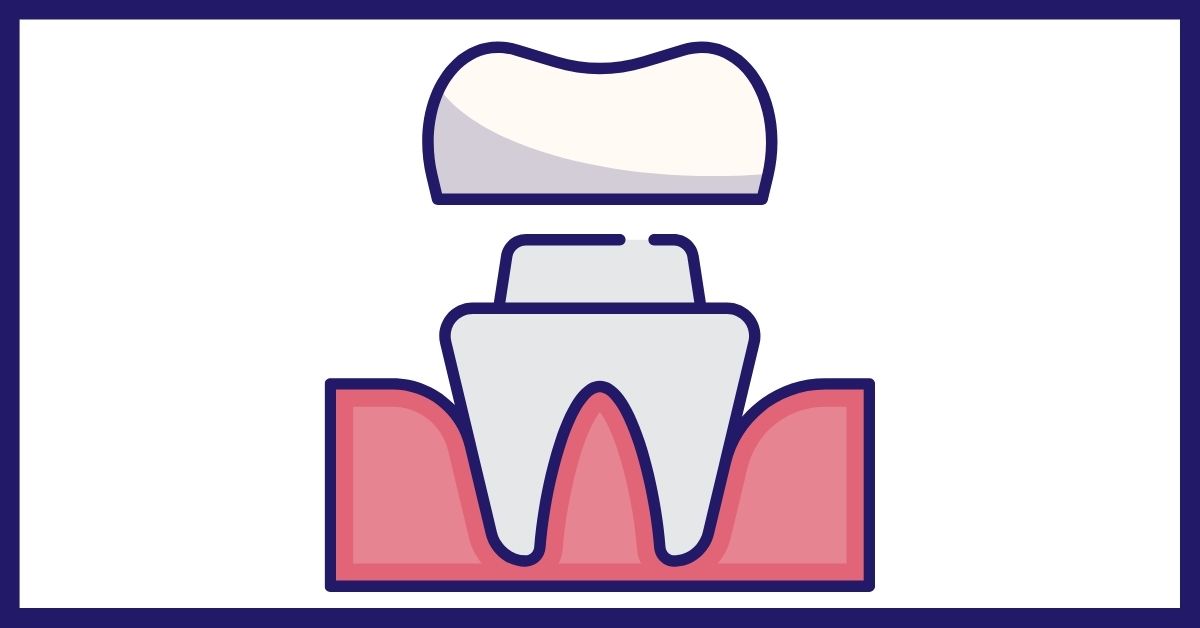
Dental crowns are essentially caps of different materials that are placed over a tooth to help restore its shape and size, and to improve overall function, strength, and appearance of a tooth. It is often used on severely damaged teeth with the hopes of saving it from further damage or even falling out. Dentists will typically recommend crowns if your teeth have extensive damage or decay, but can also be utilized in other situations.

What Happens If Tartar Is Not Removed?
Tartar, which is hardened and difficult to remove plaque, can cause damage to your teeth and gums if not removed promptly. The accumulation of bacteria in tartar can slowly erode teeth, destroy healthy gum tissue, and can cause unpleasant odors and bad breath. When tartar damages the gum line, patients may experience bleeding, swelling, and irritation from even gentle brushing. And more severe cases of tartar build up can even lead to dental erosion and unstable teeth, increasing the risk of underlying bone damage and teeth falling out.