
Do Gums Bleed During Scaling And Root Planing?

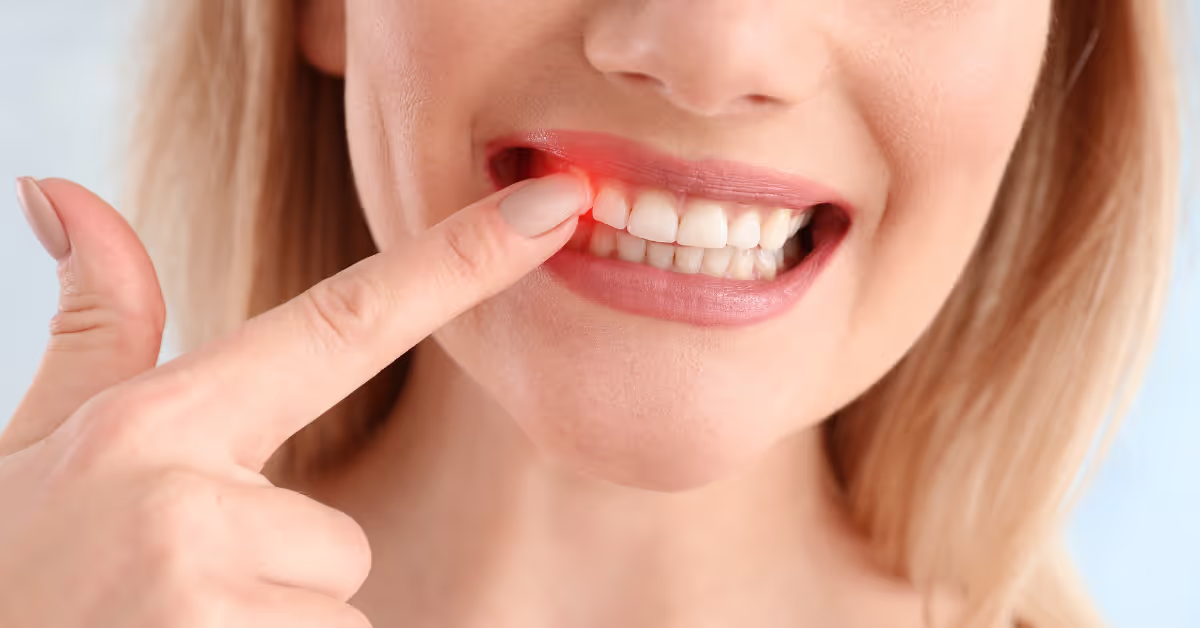
Scaling and root planing, also known as deep cleaning, is a dental procedure that removes plaque, tartar, and bacteria from the teeth and below the gum line to treat periodontal disease. It is a common and effective treatment for gum disease, but it can also cause some discomfort, including bleeding gums.
Why Do Gums Bleed During Scaling and Root Planing?
Gum bleeding during scaling and root planing is a normal and expected side effect. This is because the procedure involves removing plaque and tartar buildup, which can irritate and inflame the gums. Additionally, the dental instruments used during the procedure may cause some minor scraping or trauma to the gums, leading to bleeding.
How Much Bleeding Is Normal?
The amount of bleeding that occurs during scaling and root planing can vary from person to person. Some people may experience only minor bleeding, while others may bleed more heavily. The amount of bleeding is generally not indicative of the severity of gum disease.
What to Expect After Scaling and Root Planing
In addition to bleeding, you may experience some other side effects after scaling and root planing, such as:
- Gum tenderness and soreness
- Increased tooth sensitivity
- Bad breath
These symptoms are usually mild and subside within a few days. However, if you experience severe or persistent bleeding, pain, or swelling, contact your dentist immediately.
How to Reduce Gum Bleeding
There are a few things you can do to reduce gum bleeding after scaling and root planing:
- Brush your teeth gently twice a day with a soft-bristled toothbrush.
- Floss gently once a day.
- Use a mouthwash that contains an antibacterial agent.
- Avoid smoking and excessive alcohol consumption.
Conclusion
Gum bleeding is a normal side effect of scaling and root planing. It is usually mild and subsides within a few days. By following the tips above, you can help to reduce gum bleeding and promote healing. If you have any concerns about gum bleeding after scaling and root planing, talk to your dentist. Please find the dental office near you in these locations: Attleboro, Chelmsford, Hyde Park, Jamaica Plain, Lynn, Manchester, Methuen, Roslindale, Taunton.
Related Posts

Coffee Before Dental Cleaning
Coffee is a staple in most people’s morning routines. However you may be wondering if you can indulge in your favorite caffeine boost before having a dental cleaning performed. The specific answer isn’t too clear, but what is known is that coffee is generally an acidic beverage, meaning it can tear away enamel and stain teeth if consumed excessively, and can definitely reverse the benefits of a thorough dental cleaning,

What can I eat after teeth whitening?
After a teeth whitening procedure, your teeth can be sensitive during the first few hours to couple of days, so many dentists recommend avoiding certain foods for 2 to 3 days. After a professional teeth whitening, your teeth can become slightly porous, and the dentin layer can become temporarily exposed. Acidic and dark-colored foods are more easily absorbed into your teeth after whitening, which can cause discoloration. Avoid foods that are too hot or too cold and make sure the food items are at room temperature.
When would you need a dental crown?
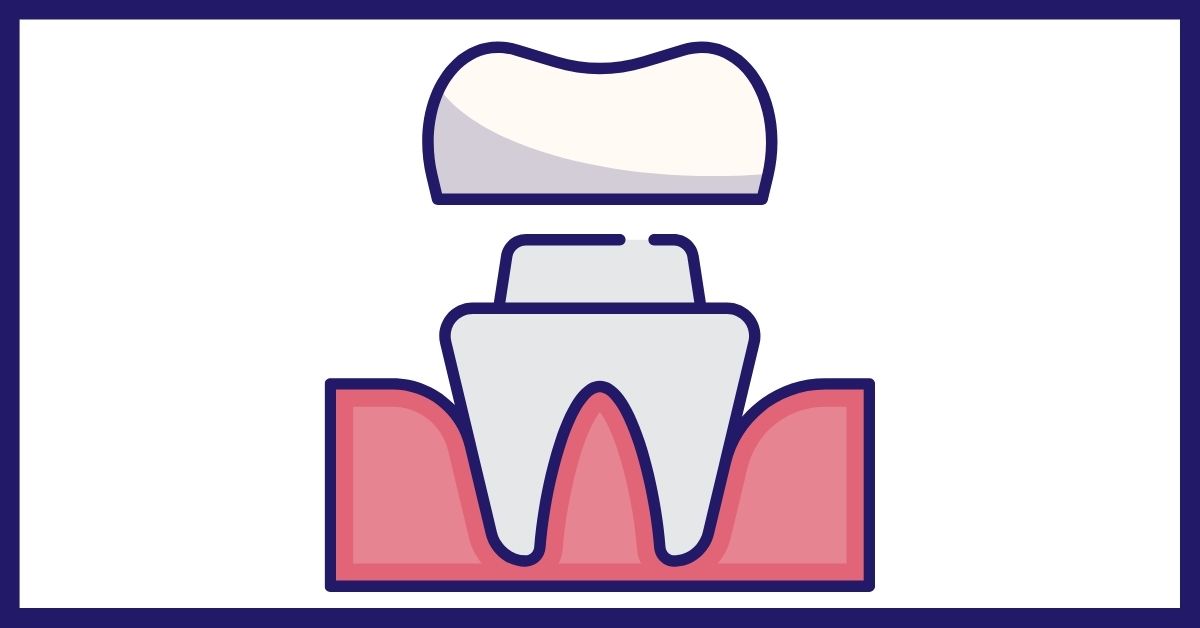
Dental crowns are essentially caps of different materials that are placed over a tooth to help restore its shape and size, and to improve overall function, strength, and appearance of a tooth. It is often used on severely damaged teeth with the hopes of saving it from further damage or even falling out. Dentists will typically recommend crowns if your teeth have extensive damage or decay, but can also be utilized in other situations.

What Happens If Tartar Is Not Removed?
Tartar, which is hardened and difficult to remove plaque, can cause damage to your teeth and gums if not removed promptly. The accumulation of bacteria in tartar can slowly erode teeth, destroy healthy gum tissue, and can cause unpleasant odors and bad breath. When tartar damages the gum line, patients may experience bleeding, swelling, and irritation from even gentle brushing. And more severe cases of tartar build up can even lead to dental erosion and unstable teeth, increasing the risk of underlying bone damage and teeth falling out.