
Do dental fillings hurt?

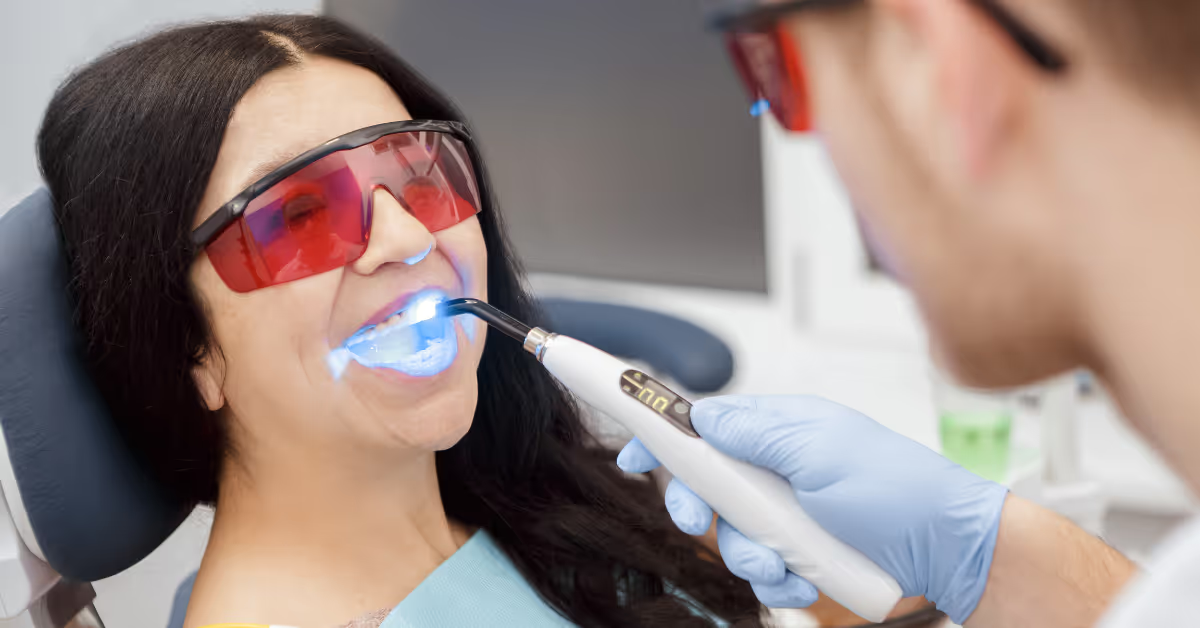
Dental fillings, a common dental procedure to restore decayed or damaged teeth, often raise concerns about discomfort and pain. While the thought of a dental drill might sound intimidating, advancements in anesthesia and techniques have made dental fillings a relatively comfortable experience for most patients.
Understanding Pain Management for Fillings
To minimize or eliminate pain during a dental filling procedure, dentists employ various pain management techniques:
- Local Anesthesia: Local anesthesia is the most common method for numbing the area around the affected tooth, blocking nerve signals and preventing pain sensation.
- Topical Anesthesia: In some cases, a topical anesthetic gel may be applied to the gums before administering the local anesthetic injection to reduce any discomfort associated with the needle.
- Nitrous Oxide (Laughing Gas): For patients with anxiety or fear about dental procedures, nitrous oxide, also known as laughing gas, can be administered to provide a sense of relaxation and reduce anxiety.
Factors Influencing Pain Perception
Individual factors can influence the level of discomfort experienced during a dental filling procedure:
- Extent of Decay: The extent of decay and the depth of the filling can affect the amount of anesthesia required and the level of sensitivity after the procedure.
- Tooth Location: Filling a tooth located closer to the front of the mouth, where nerve endings are more concentrated, may result in slightly more discomfort compared to a filling in the back of the mouth.
- Individual Sensitivity: Each person has a unique sensitivity threshold to pain, and some individuals may experience more discomfort than others despite effective anesthesia.
Post-Filling Discomfort
While the numbing effect of local anesthesia typically wears off within a few hours, some mild discomfort or sensitivity may persist for a day or two after the filling procedure. This is normal and can be managed with over-the-counter pain relievers like ibuprofen or acetaminophen.
Minimizing Post-Filling Discomfort
To minimize post-filling discomfort, consider these tips:
- Avoid Hard or Sticky Foods: Opt for soft, easy-to-chew foods for the first few days after the filling to avoid placing excessive pressure on the treated tooth.
- Maintain Good Oral Hygiene: Continue regular brushing and flossing to prevent further decay and promote healing.
- Follow Dentist’s Instructions: Adhere to any specific instructions provided by your dentist, such as avoiding hot or cold beverages or using a mouthwash.
Addressing Persistent Discomfort
If discomfort or sensitivity persists beyond a few days or becomes severe, it’s important to contact your dentist promptly. They can assess the situation and determine if any further treatment is necessary.
Conclusion
Dental fillings, when performed using modern techniques and appropriate pain management strategies, are generally comfortable procedures. By understanding the factors influencing pain perception and following recommended precautions, you can minimize discomfort and ensure a smooth and positive dental experience. Please find the dental office near you in these locations: Attleboro, Chelmsford, Hyde Park, Jamaica Plain, Lynn, Manchester, Methuen, Roslindale, Taunton.
Related Posts

Coffee Before Dental Cleaning
Coffee is a staple in most people’s morning routines. However you may be wondering if you can indulge in your favorite caffeine boost before having a dental cleaning performed. The specific answer isn’t too clear, but what is known is that coffee is generally an acidic beverage, meaning it can tear away enamel and stain teeth if consumed excessively, and can definitely reverse the benefits of a thorough dental cleaning,

What can I eat after teeth whitening?
After a teeth whitening procedure, your teeth can be sensitive during the first few hours to couple of days, so many dentists recommend avoiding certain foods for 2 to 3 days. After a professional teeth whitening, your teeth can become slightly porous, and the dentin layer can become temporarily exposed. Acidic and dark-colored foods are more easily absorbed into your teeth after whitening, which can cause discoloration. Avoid foods that are too hot or too cold and make sure the food items are at room temperature.
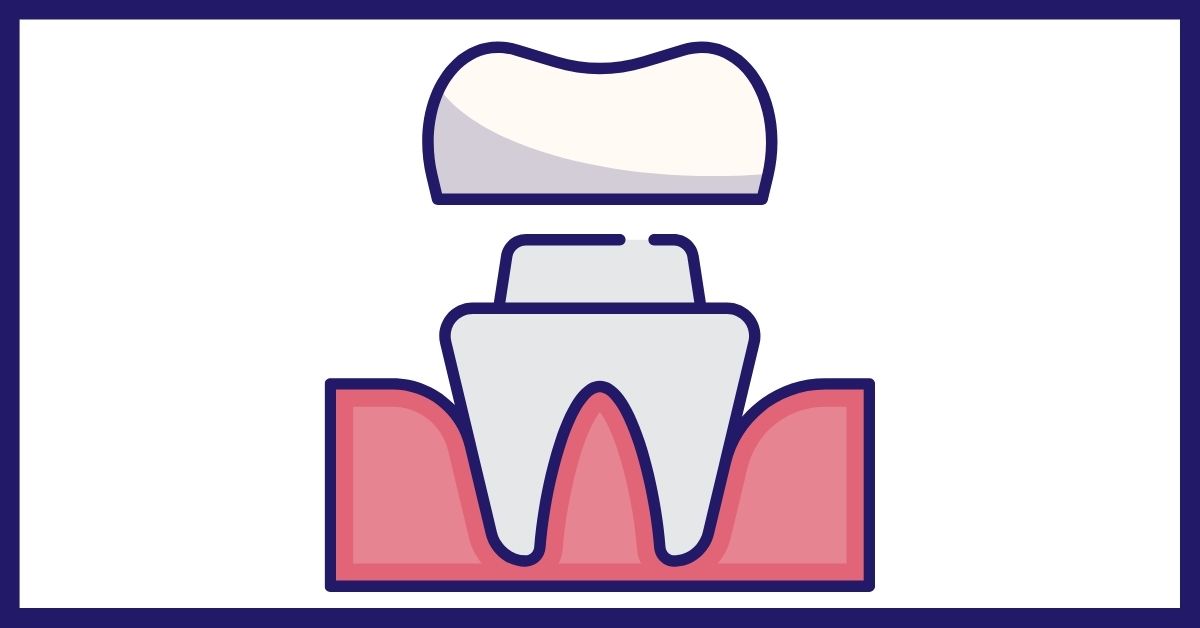
When would you need a dental crown?
Dental crowns are essentially caps of different materials that are placed over a tooth to help restore its shape and size, and to improve overall function, strength, and appearance of a tooth. It is often used on severely damaged teeth with the hopes of saving it from further damage or even falling out. Dentists will typically recommend crowns if your teeth have extensive damage or decay, but can also be utilized in other situations.

What Happens If Tartar Is Not Removed?
Tartar, which is hardened and difficult to remove plaque, can cause damage to your teeth and gums if not removed promptly. The accumulation of bacteria in tartar can slowly erode teeth, destroy healthy gum tissue, and can cause unpleasant odors and bad breath. When tartar damages the gum line, patients may experience bleeding, swelling, and irritation from even gentle brushing. And more severe cases of tartar build up can even lead to dental erosion and unstable teeth, increasing the risk of underlying bone damage and teeth falling out.