
Can you eat with temporary dentures?

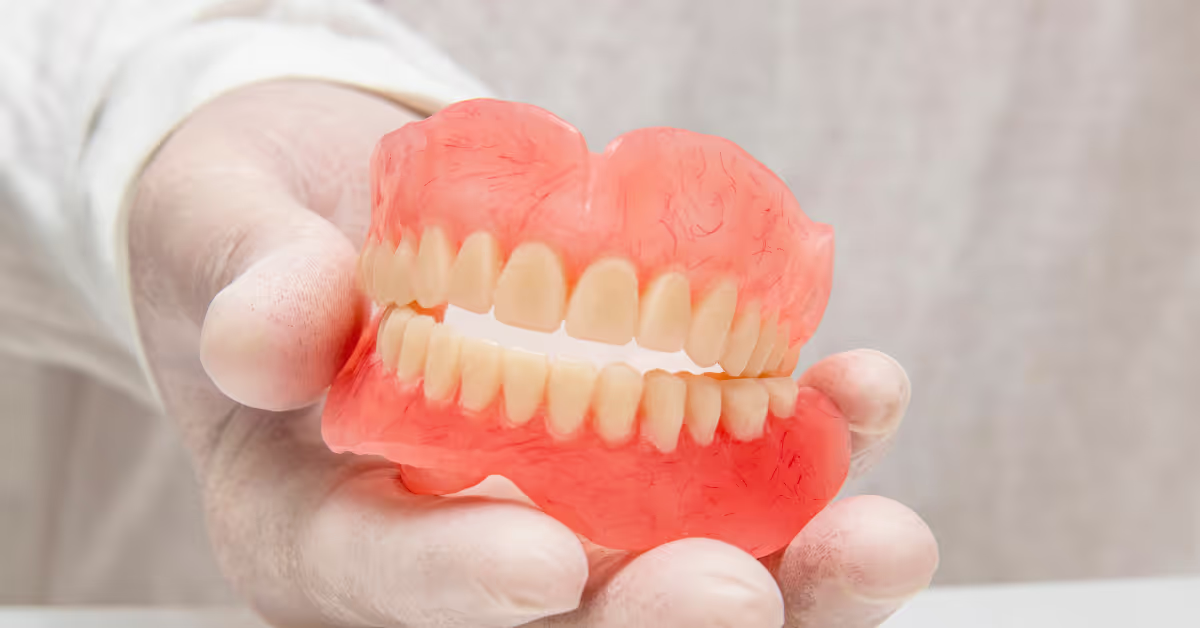
Temporary dentures, also known as immediate dentures, are provisional dental restorations placed shortly after tooth extraction to maintain facial aesthetics and chewing function while permanent dentures are being prepared. While temporary dentures offer several benefits, adjusting to eating with them can be a temporary challenge. Understanding the limitations and following some simple tips can make mealtimes more enjoyable and comfortable.
Initial Considerations
When first wearing temporary dentures, it’s important to start with soft, easy-to-chew foods. Avoid hard, sticky, or chewy foods that may dislodge the dentures or cause discomfort. Cut food into small pieces and chew slowly and carefully to avoid straining the gums and jaw muscles.
Choosing the Right Foods
Opt for soft, well-cooked foods that are easy to manage with temporary dentures. Some suitable options include:
- Soft cooked vegetables: steamed or boiled vegetables like carrots, broccoli, and potatoes
- Soft cooked meats: lean ground meats, cooked fish, and soft poultry
- Dairy products: yogurt, soft cheeses, and scrambled eggs
- Soups and stews: hearty soups and soft stews
- Pasta and rice: cooked pasta and soft rice dishes
Gradually Expanding the Diet
As you become more comfortable wearing temporary dentures, you can gradually expand your diet to include a wider range of foods. However, it’s important to continue to exercise caution and avoid foods that may pose challenges.
Tips for Successful Eating
Follow these tips to enhance your dining experience with temporary dentures:
- Cut food into small pieces: This makes it easier to chew and reduces the risk of dislodging the dentures.
- Chew slowly and thoroughly: Take your time and chew each bite carefully to prevent discomfort and straining the gums and jaw muscles.
- Avoid sticky foods: Sticky foods can adhere to the dentures and make them difficult to remove.
- Avoid hard foods: Hard foods can damage the dentures and cause discomfort.
- Drink plenty of water: Proper hydration helps maintain saliva production, which aids in chewing and swallowing.
- Use denture adhesive: Denture adhesive can provide additional stability and security, especially during the initial adjustment period.
Caring for Temporary Dentures
Proper care for temporary dentures is crucial for maintaining their function and comfort:
- Clean dentures regularly: Brush your dentures gently with a soft-bristled toothbrush and a non-abrasive denture cleanser.
- Remove dentures for overnight cleaning: Soak your dentures in a denture cleaning solution or water overnight to remove food debris and plaque buildup.
- Handle dentures with care: Avoid dropping or bending the dentures, as this can damage them.
Consultation with Your Dentist
Regular consultations with your dentist are essential during the temporary denture phase. They will monitor your healing process, make necessary adjustments, and ensure the dentures fit properly throughout the process.
Conclusion
Eating with temporary dentures requires patience and adaptation. By following these tips and consulting your dentist regularly, you can make mealtimes more enjoyable and comfortable while you await your permanent dentures. Remember, temporary dentures are a temporary solution, and a healthy, functional smile will soon be restored with your permanent dentures. Please find the dental office near you in these locations: Attleboro, Chelmsford, Hyde Park, Jamaica Plain, Lynn, Manchester, Methuen, Roslindale, Taunton.
Related Posts

Coffee Before Dental Cleaning
Coffee is a staple in most people’s morning routines. However you may be wondering if you can indulge in your favorite caffeine boost before having a dental cleaning performed. The specific answer isn’t too clear, but what is known is that coffee is generally an acidic beverage, meaning it can tear away enamel and stain teeth if consumed excessively, and can definitely reverse the benefits of a thorough dental cleaning,

What can I eat after teeth whitening?
After a teeth whitening procedure, your teeth can be sensitive during the first few hours to couple of days, so many dentists recommend avoiding certain foods for 2 to 3 days. After a professional teeth whitening, your teeth can become slightly porous, and the dentin layer can become temporarily exposed. Acidic and dark-colored foods are more easily absorbed into your teeth after whitening, which can cause discoloration. Avoid foods that are too hot or too cold and make sure the food items are at room temperature.
When would you need a dental crown?
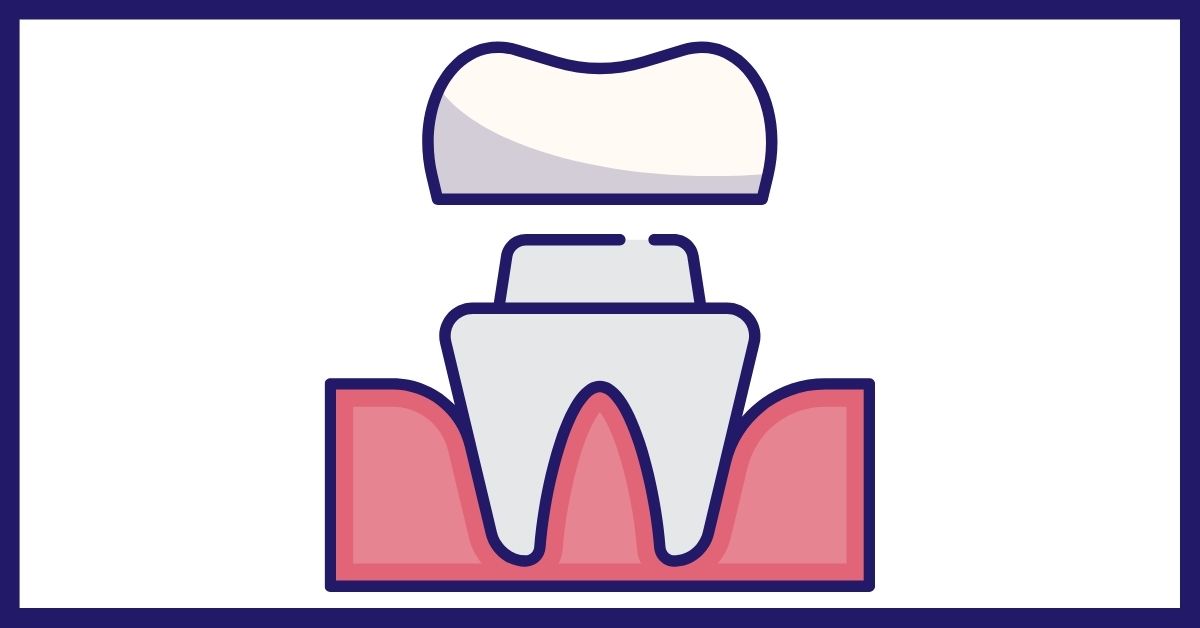
Dental crowns are essentially caps of different materials that are placed over a tooth to help restore its shape and size, and to improve overall function, strength, and appearance of a tooth. It is often used on severely damaged teeth with the hopes of saving it from further damage or even falling out. Dentists will typically recommend crowns if your teeth have extensive damage or decay, but can also be utilized in other situations.

What Happens If Tartar Is Not Removed?
Tartar, which is hardened and difficult to remove plaque, can cause damage to your teeth and gums if not removed promptly. The accumulation of bacteria in tartar can slowly erode teeth, destroy healthy gum tissue, and can cause unpleasant odors and bad breath. When tartar damages the gum line, patients may experience bleeding, swelling, and irritation from even gentle brushing. And more severe cases of tartar build up can even lead to dental erosion and unstable teeth, increasing the risk of underlying bone damage and teeth falling out.