
Can I Brush My Teeth After Dental Cleaning?


Undergoing a dental cleaning, also known as prophylaxis, is an essential step in maintaining good oral health. During this procedure, dental hygienists remove plaque, tartar, and bacteria from your teeth and gums, helping to prevent dental problems like tooth decay and gum disease. However, many patients wonder if they can brush their teeth immediately after a dental cleaning. This article aims to provide clear guidance on brushing after a dental cleaning and ensure proper oral hygiene practices.
Immediate Brushing After Dental Cleaning
Brushing your teeth immediately after a dental cleaning is generally not recommended. The cleaning process can sometimes cause minor swelling or sensitivity in the gums, and brushing too soon could irritate the gums further. It is advisable to wait for at least a few hours to allow your gums to recover before brushing.
Gentle Brushing with a Soft-Bristled Toothbrush
When you do resume brushing, it is crucial to use a soft-bristled toothbrush and gentle strokes. Avoid using excessive force or harsh brushing techniques, as this could aggravate the gums and hinder the healing process.
Fluoride Toothpaste and Rinsing
Use a fluoride toothpaste to protect your teeth from decay and promote enamel remineralization. After brushing, rinse your mouth thoroughly with water to remove any remaining toothpaste and debris.
Gradual Reintroduction of Flossing
Flossing is an essential part of oral hygiene, but it is recommended to wait for a day or two after a dental cleaning before resuming flossing. This allows the gums to heal and reduces the risk of irritation or bleeding.
Additional Tips for Post-Cleaning Oral Care
In addition to gentle brushing and flossing, follow these tips for proper oral care after a dental cleaning:
- Avoid consuming hard or sticky foods that could irritate the gums.
- Rinse your mouth with warm salt water several times a day to reduce inflammation and promote healing.
- Maintain a balanced diet rich in fruits, vegetables, and whole grains to support overall oral health.
Conclusion
Regular dental cleanings are crucial for maintaining good oral health and preventing dental problems. While it is advisable to wait a few hours before brushing your teeth after a dental cleaning, proper oral hygiene practices are essential for optimal results. Use a soft-bristled toothbrush, fluoride toothpaste, and gentle flossing techniques to maintain clean teeth and healthy gums. Remember, regular dental checkups and cleanings are the cornerstones of a healthy smile. Please find the dental office near you in these locations: Attleboro, Chelmsford, Hyde Park, Jamaica Plain, Lynn, Manchester, Methuen, Roslindale, Taunton.
Related Posts

Coffee Before Dental Cleaning
Coffee is a staple in most people’s morning routines. However you may be wondering if you can indulge in your favorite caffeine boost before having a dental cleaning performed. The specific answer isn’t too clear, but what is known is that coffee is generally an acidic beverage, meaning it can tear away enamel and stain teeth if consumed excessively, and can definitely reverse the benefits of a thorough dental cleaning,

What can I eat after teeth whitening?
After a teeth whitening procedure, your teeth can be sensitive during the first few hours to couple of days, so many dentists recommend avoiding certain foods for 2 to 3 days. After a professional teeth whitening, your teeth can become slightly porous, and the dentin layer can become temporarily exposed. Acidic and dark-colored foods are more easily absorbed into your teeth after whitening, which can cause discoloration. Avoid foods that are too hot or too cold and make sure the food items are at room temperature.
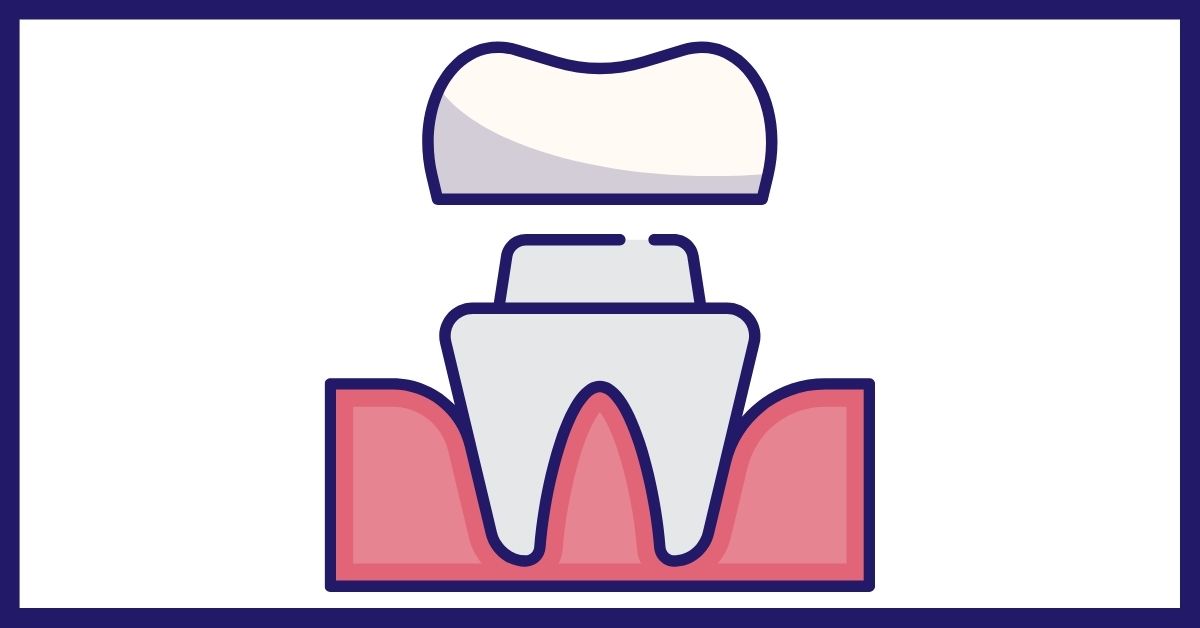
When would you need a dental crown?
Dental crowns are essentially caps of different materials that are placed over a tooth to help restore its shape and size, and to improve overall function, strength, and appearance of a tooth. It is often used on severely damaged teeth with the hopes of saving it from further damage or even falling out. Dentists will typically recommend crowns if your teeth have extensive damage or decay, but can also be utilized in other situations.

What Happens If Tartar Is Not Removed?
Tartar, which is hardened and difficult to remove plaque, can cause damage to your teeth and gums if not removed promptly. The accumulation of bacteria in tartar can slowly erode teeth, destroy healthy gum tissue, and can cause unpleasant odors and bad breath. When tartar damages the gum line, patients may experience bleeding, swelling, and irritation from even gentle brushing. And more severe cases of tartar build up can even lead to dental erosion and unstable teeth, increasing the risk of underlying bone damage and teeth falling out.