
Can a dental bridge be done in one day?


Dental bridges are a common and effective solution for replacing missing teeth, restoring both function and aesthetics to the smile. While traditional dental bridges typically require multiple appointments, advancements in technology have made it possible to complete the procedure in a single day. Understanding the factors that influence one-day dental bridges can help individuals make informed decisions about their dental care.
Factors Affecting One-Day Dental Bridges
The feasibility of one-day dental bridges depends on several factors, including:
- Number of Missing Teeth: One-day dental bridges are typically limited to replacing one or two missing teeth. For more complex cases involving multiple missing teeth, traditional methods with multiple appointments may be necessary.
- Condition of Adjacent Teeth: The teeth adjacent to the missing space must be healthy and strong enough to support the bridge. If these teeth are damaged or have extensive cavities, additional treatment may be required before placing a one-day bridge.
- Availability of CEREC Technology: The CEREC (Chairside Economical Restoration of Ceramic) system is a computer-aided design and computer-aided manufacturing (CAD/CAM) technology that enables the fabrication of dental restorations in a single visit. If your dentist’s office does not have CEREC technology, a one-day bridge may not be possible.
Benefits of One-Day Dental Bridges
One-day dental bridges offer several advantages over traditional methods, including:
- Reduced Treatment Duration: Completing the procedure in a single appointment eliminates the need for multiple visits, saving time and reducing overall treatment time.
- Enhanced Comfort and Convenience: One-day dental bridges eliminate the need for temporary restorations, which can be uncomfortable and require additional appointments.
- Improved Aesthetics: CEREC technology allows for the creation of natural-looking restorations that closely match the color and shape of natural teeth.
Limitations of One-Day Dental Bridges
Despite their benefits, one-day dental bridges may not be suitable for all cases:
- Complexity of Missing Teeth: One-day bridges are primarily limited to replacing simple cases involving one or two missing teeth. For complex cases, traditional methods may be more appropriate.
- Cost: One-day dental bridges may be more expensive than traditional methods due to the use of advanced technology and materials.
- Availability of CEREC Technology: Not all dental offices have CEREC technology, which may limit the availability of one-day bridges in certain areas.
Consulting with Your Dentist
Consulting with your dentist is crucial to determine if a one-day dental bridge is the right option for you. They will assess your individual needs, evaluate your oral health, and discuss the various treatment options available. Together, you can make an informed decision about the most suitable approach for replacing your missing teeth.
Conclusion
One-day dental bridges offer a convenient and efficient solution for replacing missing teeth in certain cases. However, it’s important to understand the factors that influence the feasibility of this procedure and discuss the various treatment options with your dentist. By making an informed decision based on your individual needs and preferences, you can achieve a confident and healthy smile. Please find the dental office near you in these locations: Attleboro, Chelmsford, Hyde Park, Jamaica Plain, Lynn, Manchester, Methuen, Roslindale, Taunton.
Related Posts

Coffee Before Dental Cleaning
Coffee is a staple in most people’s morning routines. However you may be wondering if you can indulge in your favorite caffeine boost before having a dental cleaning performed. The specific answer isn’t too clear, but what is known is that coffee is generally an acidic beverage, meaning it can tear away enamel and stain teeth if consumed excessively, and can definitely reverse the benefits of a thorough dental cleaning,

What can I eat after teeth whitening?
After a teeth whitening procedure, your teeth can be sensitive during the first few hours to couple of days, so many dentists recommend avoiding certain foods for 2 to 3 days. After a professional teeth whitening, your teeth can become slightly porous, and the dentin layer can become temporarily exposed. Acidic and dark-colored foods are more easily absorbed into your teeth after whitening, which can cause discoloration. Avoid foods that are too hot or too cold and make sure the food items are at room temperature.
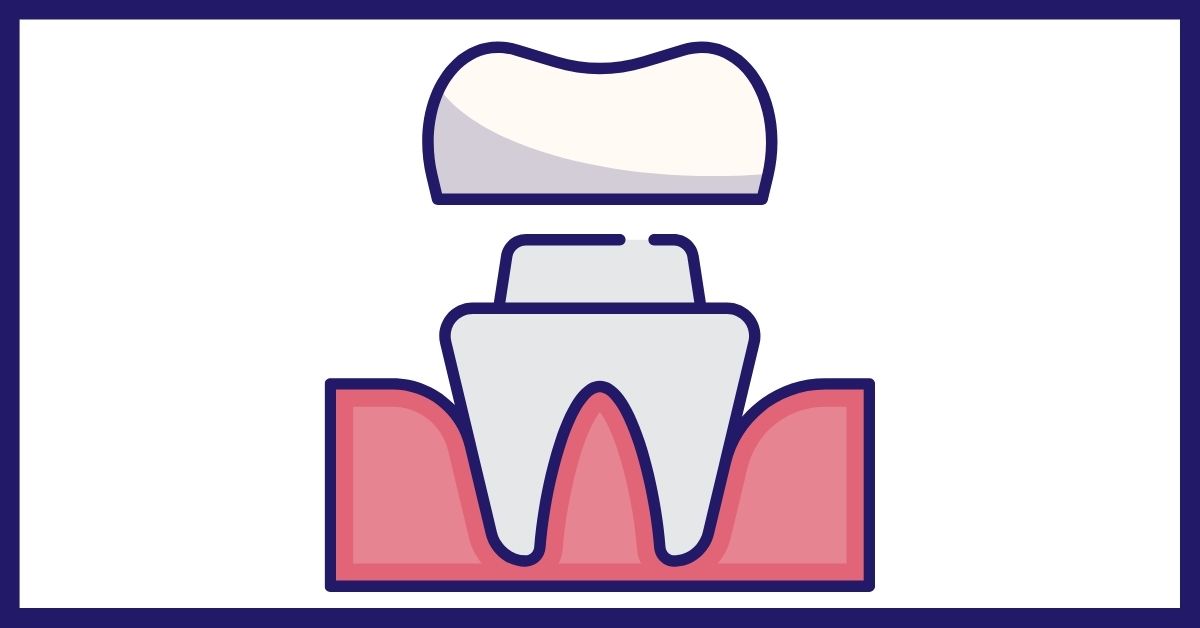
When would you need a dental crown?
Dental crowns are essentially caps of different materials that are placed over a tooth to help restore its shape and size, and to improve overall function, strength, and appearance of a tooth. It is often used on severely damaged teeth with the hopes of saving it from further damage or even falling out. Dentists will typically recommend crowns if your teeth have extensive damage or decay, but can also be utilized in other situations.

What Happens If Tartar Is Not Removed?
Tartar, which is hardened and difficult to remove plaque, can cause damage to your teeth and gums if not removed promptly. The accumulation of bacteria in tartar can slowly erode teeth, destroy healthy gum tissue, and can cause unpleasant odors and bad breath. When tartar damages the gum line, patients may experience bleeding, swelling, and irritation from even gentle brushing. And more severe cases of tartar build up can even lead to dental erosion and unstable teeth, increasing the risk of underlying bone damage and teeth falling out.