
Can A Dental Bridge Be Adjusted?

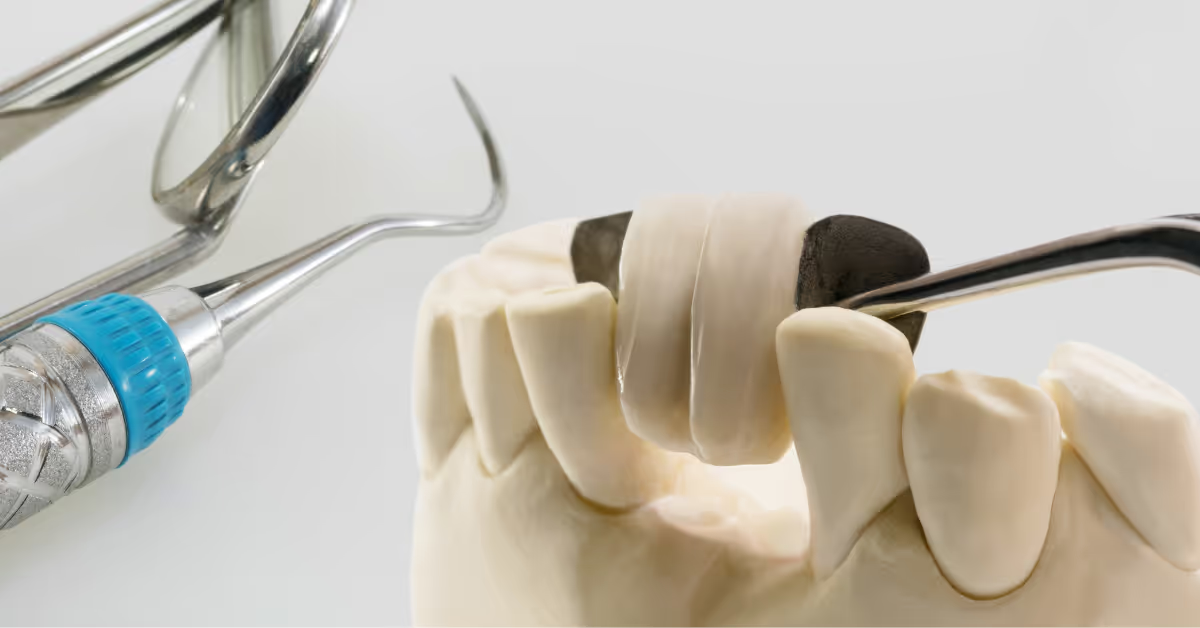
Dental bridges are a common and effective way to replace missing teeth, restoring function and aesthetics to the smile. They are typically made of porcelain or metal and are anchored to the surrounding teeth to fill the gap left by the missing tooth. While dental bridges are designed to last for many years, they may sometimes require adjustment to ensure a proper fit and optimal comfort.
Reasons for Dental Bridge Adjustments
There are several reasons why a dental bridge may need to be adjusted:
- Initial Fitting: After the bridge is fabricated, the dentist may need to make minor adjustments to ensure a precise fit and comfortable occlusion.
- Shifting Teeth: Over time, teeth can naturally shift positions, which may cause the bridge to become loose or uncomfortable.
- Changes in Bite: Changes in the patient’s bite, such as bruxism or tooth wear, can also affect the fit of the bridge.
- Damage or Wear: The bridge itself may become damaged or worn over time, requiring adjustment or replacement.
Types of Dental Bridge Adjustments
The type of adjustment needed for a dental bridge depends on the specific issue. Common adjustments include:
- Reshaping or Refinishing: The bridge may be reshaped or refinished to eliminate any sharp edges or uneven surfaces that could cause discomfort or irritation.
- Repositioning of Bridge Components: The individual components of the bridge, such as the pontics (artificial teeth) or the abutments (supporting teeth), may need to be repositioned to ensure proper alignment and occlusion.
- Cementing or Tightening: The bridge may need to be recemented or tightened if it becomes loose or dislodged.
Signs that a Dental Bridge Needs Adjustment
If you experience any of the following signs, it may indicate that your dental bridge needs adjustment:
- Discomfort or Pain: If you experience discomfort or pain when biting or chewing, it could be a sign that the bridge is not fitting properly or is putting excessive pressure on the surrounding teeth.
- Loose Bridge: If the bridge feels loose or wobbly, it may need to be recemented to prevent further damage or loss.
- Changes in Bite: If you notice changes in your bite, such as difficulty closing your mouth or uneven chewing, it could indicate that the bridge is not aligned properly.
Seeking Professional Adjustment
If you suspect that your dental bridge needs adjustment, it is important to schedule an appointment with your dentist as soon as possible. Attempting to adjust the bridge yourself could damage the bridge or your teeth and may worsen the problem.
During the appointment, your dentist will assess the bridge and determine the appropriate course of action. They may perform minor adjustments in the office or may need to send the bridge back to the dental lab for more extensive modifications.
Preventive Measures
To minimize the need for adjustments, follow these preventive measures:
- Maintain Good Oral Hygiene: Brush twice a day, floss daily, and use a mouthwash to keep your teeth and gums healthy, reducing the risk of dental problems that could affect the bridge.
- Avoid Hard Foods: Avoid chewing on hard foods, such as ice or candy, which could damage the bridge or cause it to loosen.
- Wear a Nightguard: If you grind or clench your teeth at night, wear a nightguard to protect your bridge and teeth from excessive wear and tear.
- Schedule Regular Dental Checkups: Attend regular dental checkups for professional cleaning and examination, allowing your dentist to monitor the condition of your bridge and address any issues early on.
Conclusion
Dental bridges can provide a long-lasting and effective solution for replacing missing teeth. However, they may require adjustments from time to time to ensure a proper fit and optimal comfort. If you experience any concerns about your dental bridge, consult with your dentist promptly for professional assessment and treatment. Please find the dental office near you in these locations: Attleboro, Chelmsford, Hyde Park, Jamaica Plain, Lynn, Manchester, Methuen, Roslindale, Taunton.
Related Posts

Coffee Before Dental Cleaning
Coffee is a staple in most people’s morning routines. However you may be wondering if you can indulge in your favorite caffeine boost before having a dental cleaning performed. The specific answer isn’t too clear, but what is known is that coffee is generally an acidic beverage, meaning it can tear away enamel and stain teeth if consumed excessively, and can definitely reverse the benefits of a thorough dental cleaning,

What can I eat after teeth whitening?
After a teeth whitening procedure, your teeth can be sensitive during the first few hours to couple of days, so many dentists recommend avoiding certain foods for 2 to 3 days. After a professional teeth whitening, your teeth can become slightly porous, and the dentin layer can become temporarily exposed. Acidic and dark-colored foods are more easily absorbed into your teeth after whitening, which can cause discoloration. Avoid foods that are too hot or too cold and make sure the food items are at room temperature.
When would you need a dental crown?
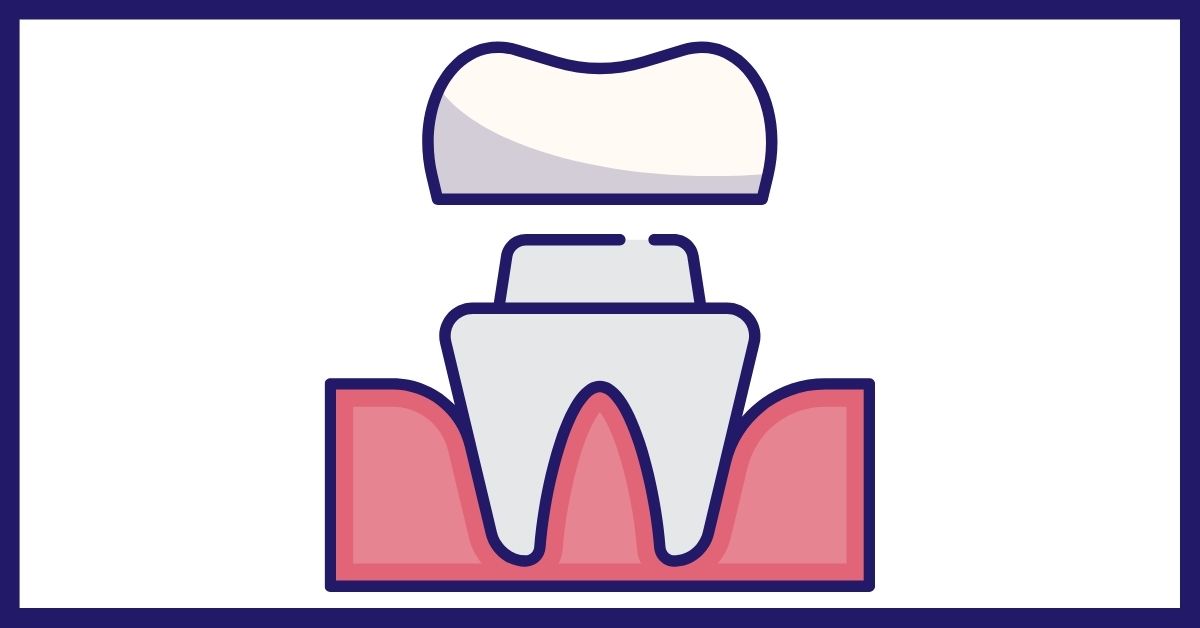
Dental crowns are essentially caps of different materials that are placed over a tooth to help restore its shape and size, and to improve overall function, strength, and appearance of a tooth. It is often used on severely damaged teeth with the hopes of saving it from further damage or even falling out. Dentists will typically recommend crowns if your teeth have extensive damage or decay, but can also be utilized in other situations.

What Happens If Tartar Is Not Removed?
Tartar, which is hardened and difficult to remove plaque, can cause damage to your teeth and gums if not removed promptly. The accumulation of bacteria in tartar can slowly erode teeth, destroy healthy gum tissue, and can cause unpleasant odors and bad breath. When tartar damages the gum line, patients may experience bleeding, swelling, and irritation from even gentle brushing. And more severe cases of tartar build up can even lead to dental erosion and unstable teeth, increasing the risk of underlying bone damage and teeth falling out.